Gourmet food is expensively delicious not only for its quality ingredients and taste, but also for its aesthetics.
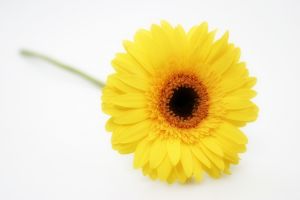

 Aesthetics in food are making a big comeback in today’s restaurants, and for good reason. An experience involving one sense unwittingly involves more than one. So while we eat, we may think that taste is all that our brain is processing, but it’s a much richer experience than that.
The smell and the sight of the food are major points in the eating experience. One of the most natural and most appealing ways to brighten up and beautify a dish is the simple addition of an edible flower! There are many varieties which are edible, and add a subtle flavor into your dish.
Cooking with flowers, though, is a cautious process, as you must be completely sure that what you are serving is neither poisonous nor chemically treated. Once you have chosen your flowers safely, the options available for cooking are very wide. While I don’t recommend you start viewing bouquets as scrumptious salads and chewing away upon receiving your floral gift, it is worth realising the value of flowers as a garnish and ingredient to complement a slew of recipes.
The absolutely most important factor when deciding to cook with flowers is to be sure that the variety is edible, and not poisonous.
While this article shall provide general guidelines, do confirm before the use of any plant in your food that it is, in fact, edible. The safest bet for edible flowers is those that will eventually grow into the vegetables and fruits that we already know and love. Often the flowers of vegetables, fruits, and herbs offer a reminder of the plant they come from, in a more subtle flavor. Examples are the basil, chive, garlic, and lemon flowers.
These are good garnishes for dishes which may already use the fruit of the above-mentioned flowers. The chamomile flower is very gentle and pleasant also. Other flowers that come from plants we know are the arugula flower, the mustard flower, the squash flower (which can even be fried and eaten on its own), and the sunflower. Edible flowers are not limited to those which later blossom into fruits and vegetables.
Some of the prettiest flowers have petals which we can eat. Specifically, carnations, dandelions, jasmine, rose, lavender, violets, and daisies are edible. Some of these add a beautiful aroma to the dish, and a very romantic bite. Such flowers are perfect to add to a salad, because they add sharp color, which always makes a salad more appealing, along with a delicate flavor.
There are important rules that absolutely must be followed when using flowers in cooking.
The importance of certainty in the safety of the specific flower is of utmost importance. Never use an ingredient in your cooking that you are not sure is safe. Remember that many flowers are poisonous, so be certain of the identity of the flowers you have chosen to cook with. Once this step has been checked, we’re ready to move on to the next rule of flower cooking.
This rule is where you get your flower from. Do not buy flowers for cooking from florists, unless specifically grown for eating purposes. Most flowers for a florist are not grown as comestibles, and thus are not treated as comestibles. The products which these flowers are treated with are not to be consumed. Thus, either find a florist who specializes in growing flowers for eating purposes, or grow your own! Growing your own flowers for food entails basically the same rules as growing flowers for aesthetic pleasure, but be sure to avoid pesticides, and use natural methods of keeping bugs away: plant a variety of flowers near each other, as this equilibrium may help ward off bugs; remember that lady bugs are a good bug that eats many pests, so know your friendly bugs; smearing some garlic and coffee grinds into the soil often keeps pests at bay as they hate the sharpness and bitterness of these foods. Lastly, use only the petals of flowers, as the pollen may cause allergies, and is often bitter.
Especially for first-time flower cooks, use small amounts, as any food new to the digestive tract should be introduced slowly and easily.
Now that we are ready to cook, let the ideas roll in!
Usage of flowers is so varied; they can accompany anything from hors d’oeuvres to dessert. Flowers are perfect garnishes for salty and sweet dishes, and petals add a nice flavor and look to salads. Try making a salad mix of veggies and fruits, and throw in some flowers as well. This will add to the beauty of such a varied salad, and will add a unique flavor to the sensation of the combined sweetness and saltiness.
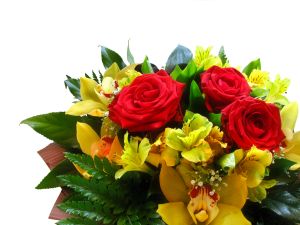

Herbal butters have never looked prettier with flower petals mixed into them, and most batters will only be upgraded with a flower mixed into them. Imagine the beauty of crepes with some lavender flowers spread throughout! Drinks will look sharp with flowers frozen into ice cubes, while teas are delicious with aromatic flowers.
Adding some rose jam to your tea is also a delicious option of sweetening your tea, so think of the jams you can make from flowers. Once you start cooking with flowers, you can be so much more creative in your cooking, with results that all notice and love.
Every cook likes to heighten her experience and always looks for new ways to improve and change. Flowers are a wonderful step to this, as they are easy to cook with, add beauty and aroma, and help the imagination flow to create more and more interesting recipes. Flowers have long been used in cooking, and what luck that the fashion is coming back. Our dishes will be tastier, more attractive, and richer in aroma. Learn which flowers you can cook with, and, upon buying them, be sure that they have been grown to be eaten and stick to using the petals of the flowers.
Keep in mind that many flowers used as garnishes are often only decorative. For instance, many live flowers used to decorate wedding cakes are not for consumption. However, when you are cooking with flowers you know to be good for eating, let your imagination run, and you will create a myriad of dishes that are enhanced and beautified by the flower garden you have added into them!
Jim
Jim and Mary Haran own a florists in Benfleet, Essex where they deliver gorgeous bouquets every day. As far as they know their gorgeous blooms have merely decorated the dining table and not become the dishes themselves!



Latest posts by The Food Curator (see all)
- 70 Years of Wimpy - June 25, 2024
- Tindle Is Your New Favourite (Not) Chicken! - April 19, 2023
- Kelly Loves Korean Variety Box Review - October 13, 2022


What a lovely way to celebrate the summer with pretty, flower food. In the middle of reading this I just had to jump up and put some lavender heads into an ice-cube tray, and am already fantasising about making Rose cupcakes with crystallised petals.
I once made a bright green salad of cooked garden peas and broad beans. When they had cooled I added a little lemon juice, olive oil and a handful of blue viola petals.
Yes, eat beauty, I say.
Eat beauty, what a lovely phrase.
Thanks for the tips! I do love brewing rose petals with whole leaf black tea, but have never tried putting rose jam in – will do!
I recently made a dish with courgette flowers – not breaded and fried as most recipes recommend, but sauteed in with green courgette ribbons so that the dish is enhanced with bits of bright orange petals: http://thenewgreengrocer.com/2011/08/24/thyme-for-courgettes/